
Museos Comunitarios como una Estrategia de Comunicación Intercultural Ancestral en Nueva Guinea, RACCS
Resumen
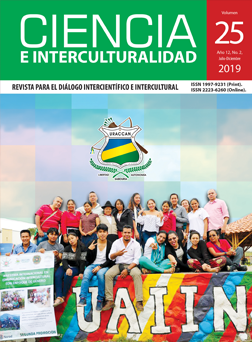
La cosecha confirma que el Museo Comunitario “Los Ranchitos”, es una estrategia de comunicación intercultural ancestral en Nueva Guinea, que aporta notablemente a la herencia cultural y a la revitalización de la identidad colectiva del pueblo mestizo. También, fortalece la Red Nicaragüense de Museos Comunitarios. Consistentemente, el estudio permite documentar el trabajo que desde el territorio se emprende para el rescate del patrimonio cultural. Este es un estudio cualitativo, guiado por “el camino de Creación, Recreación de Conocimientos, Saberes y Prácticas de URACCAN”, en una estrategia que aseguró el involucramiento directo de la comunidad articulada desde la red nicaragüense de museos comunitarios y el comité amigos del museo. El estudio destaca que si bien estos espacios son un instrumento para la protección y preservación del patrimonio cultural y la identidad del pueblo mestizo de Nueva Guinea, hace falta mayor divulgación, creación de conciencia y cuido en su calidad de sitios ancestrales.
Descargas
El autor mantiene los derechos morales y permite la cesión gratuita, exclusiva y por plazo indefinido de sus derechos patrimoniales de autoría a la Universidad de las Regiones Autónomas de la Costa Caribe Nicaraguense (URACCAN).


